
There is no single best first-household composition. A solo Parafolk teaches one set of pressures; a family or group exposes selection, relationships and competing schedules sooner.
Decide according to how much simultaneous activity you want to manage, not a claimed optimal configuration. The game supports multiple selected Parafolks and group actions when their plans overlap.
Choose a readable household size
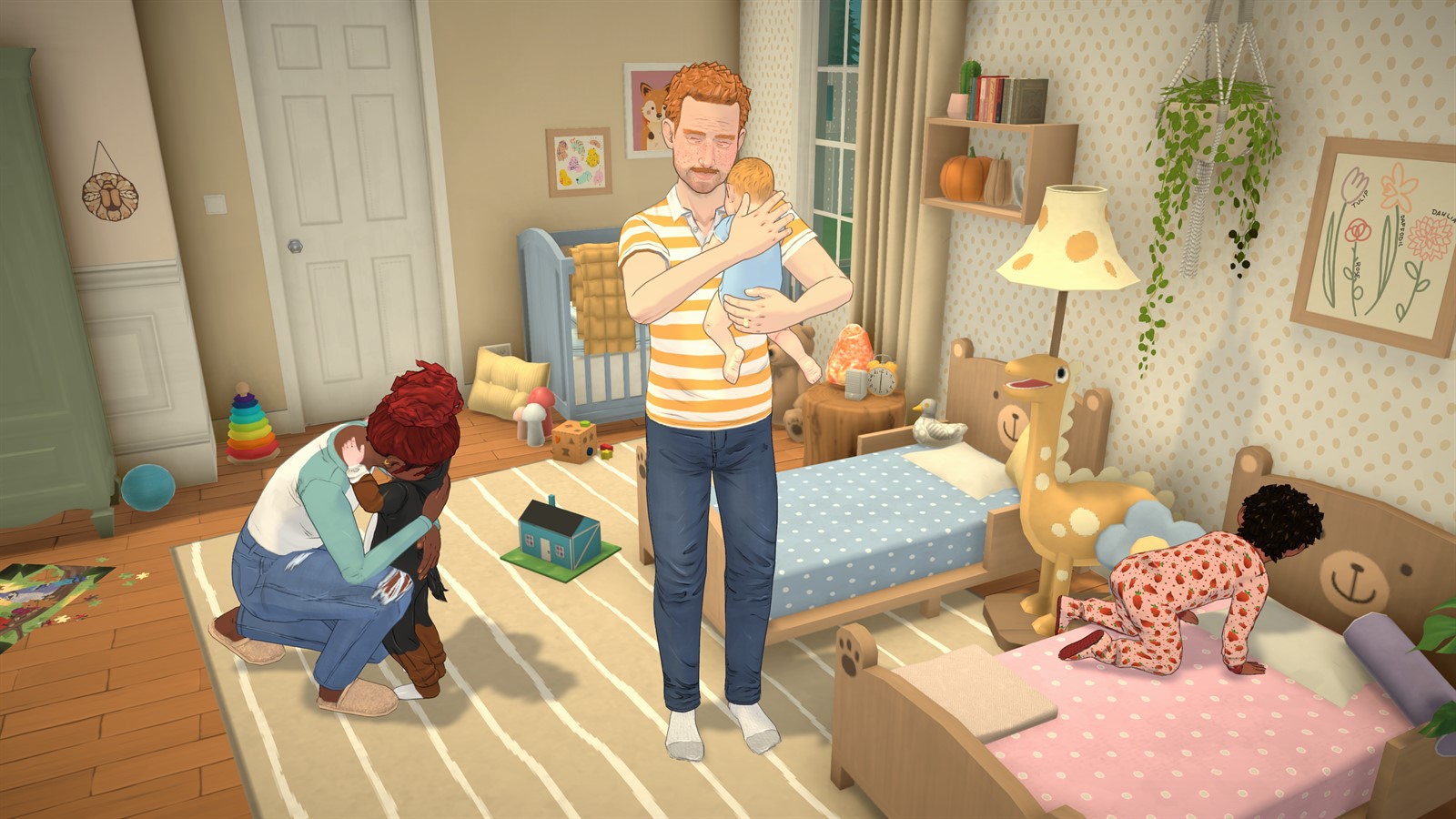
Start with enough Parafolks to support your intended story but few enough that you can notice unmet needs and interrupted actions. If you are new to the controls, one or two adults provide a clearer learning space; children and additional life stages add care and scheduling demands without being wrong choices.
Set only relationships you understand
Review household relationships in Paramaker before confirming the group. Use family or partnership links that fit your concept, then let friendships, romance and rivalries develop through play. Do not import compatibility rules, preferences or proposal conditions from another life simulation.
See this system in the current game
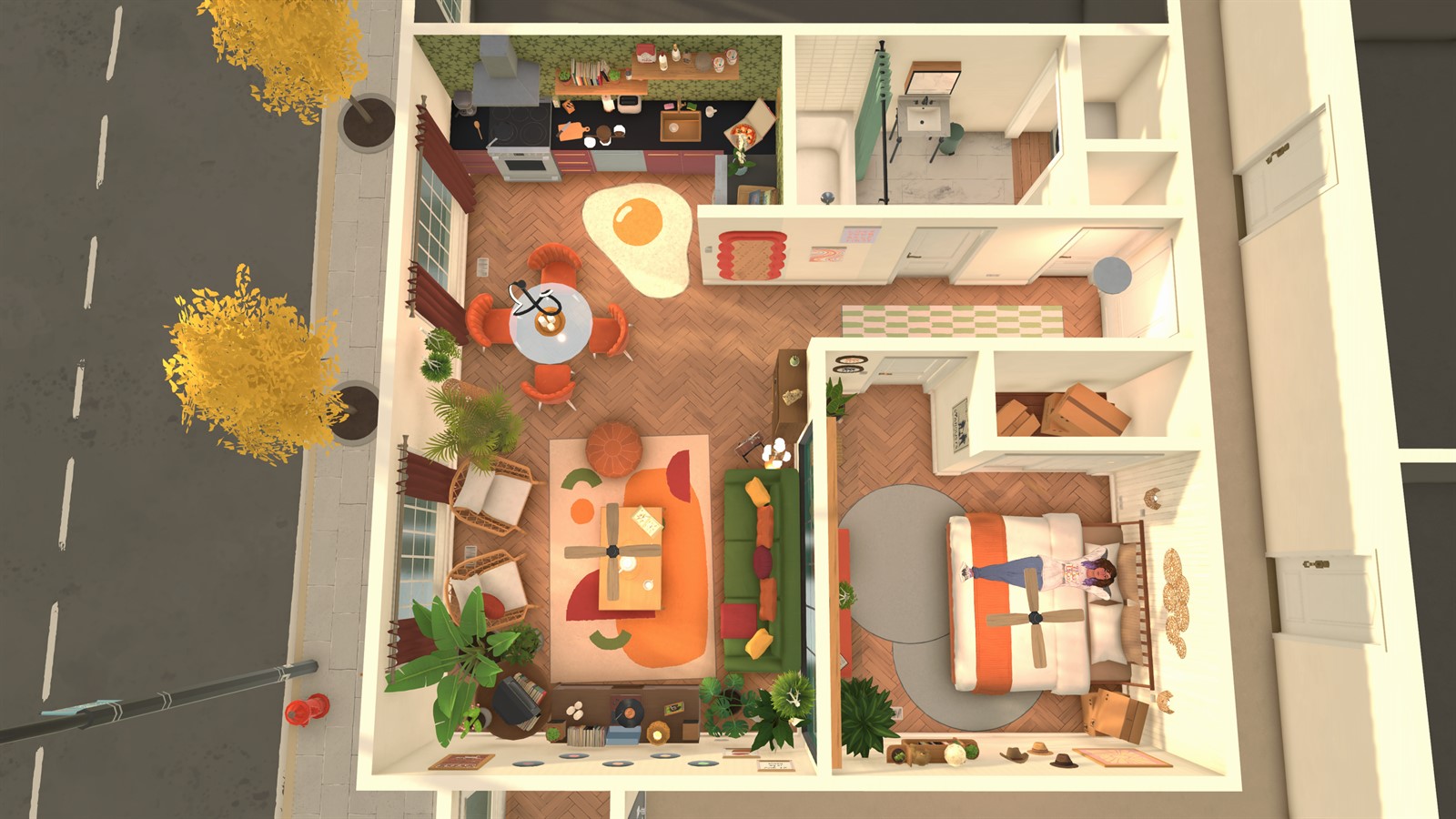
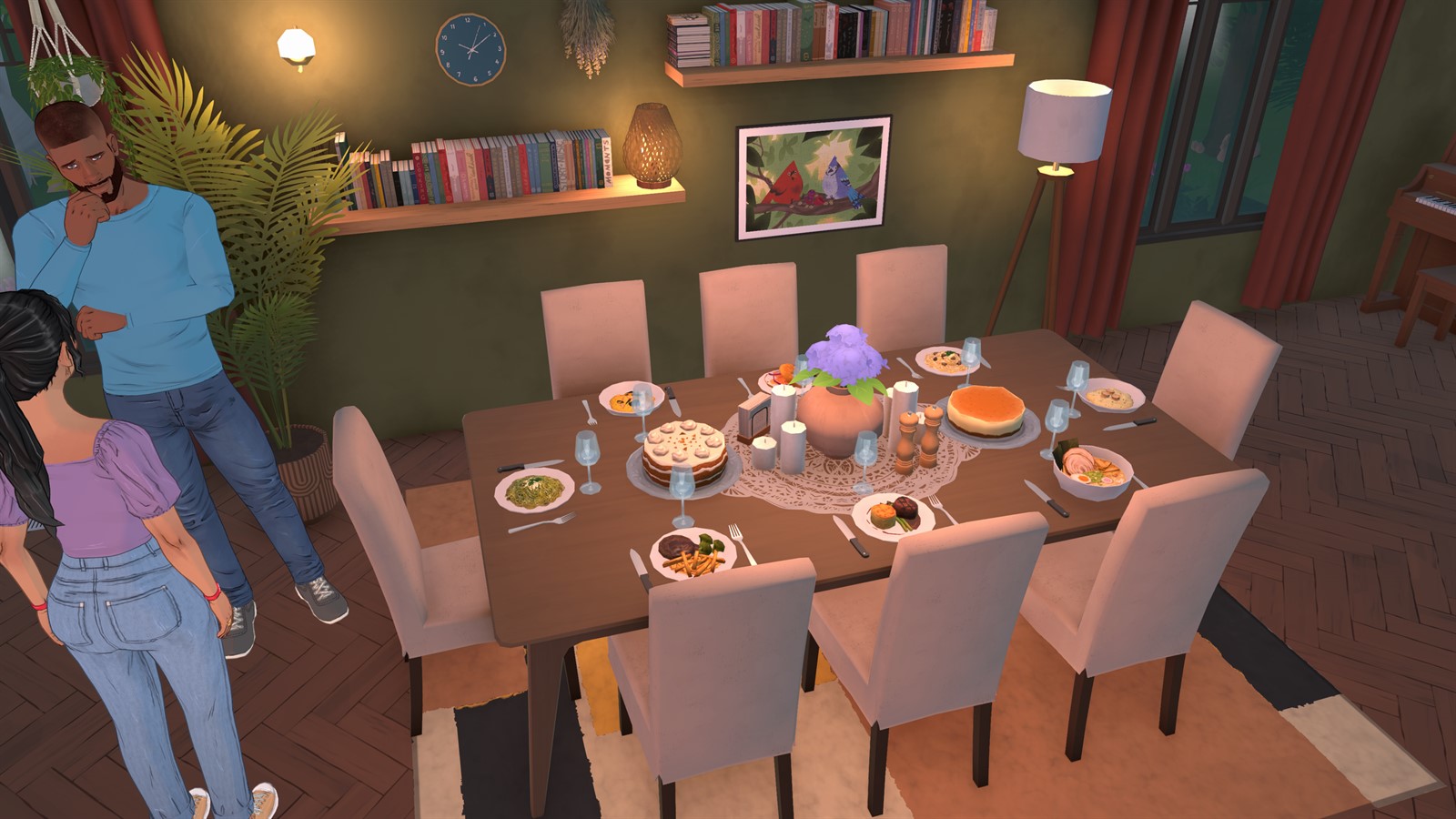
These official images are paired with the feature they demonstrate. Historical captures are explicitly labeled and are not used to claim an unchanged 2026 interface.
Evaluate the home as a route
Before decorating, trace paths from beds to bathrooms, food preparation, exits and stairs. Leave enough clearance around high-use objects and observe the household for a short period. If several actions fail in the same area, fix access before changing autonomy or cancelling many queued actions.
Protect money and the original household
Prioritize essential functions, one dependable route through the home and a cash reserve. Save the household and lot to the in-game library, and make a named save before a major move or redesign. This creates recovery options without claiming a universal budget or exact object costs.
Facts were last checked on July 13, 2026. Official pages remain the final reference when Early Access changes.