A first home succeeds when household members can reach essential objects and you can understand why a route fails. Decoration can grow after the functional shell survives a Live Mode test.
No item prices are listed here because current values should be read from the game. Use proportions of your available funds: essentials first, route fixes second, comfort and decoration after a reserve remains.
Assign every room a primary function
Give each space a clear job: sleeping, washing, food preparation, eating or circulation. Combined rooms are valid when interaction zones do not overlap badly. Avoid adding narrow decorative partitions until doors and the main route have been tested with the actual household.
Trace routes before furnishing densely
Follow the path from entrance to bathroom, kitchen, sleeping spaces and any upper floor. Place stairs and doors where queues are unlikely to collide, then add furniture from large functional pieces to small decor. If routing fails, remove nearby clutter temporarily to isolate the obstruction.
See this system in the current game
These official images are paired with the feature they demonstrate. Historical captures are explicitly labeled and are not used to claim an unchanged 2026 interface.
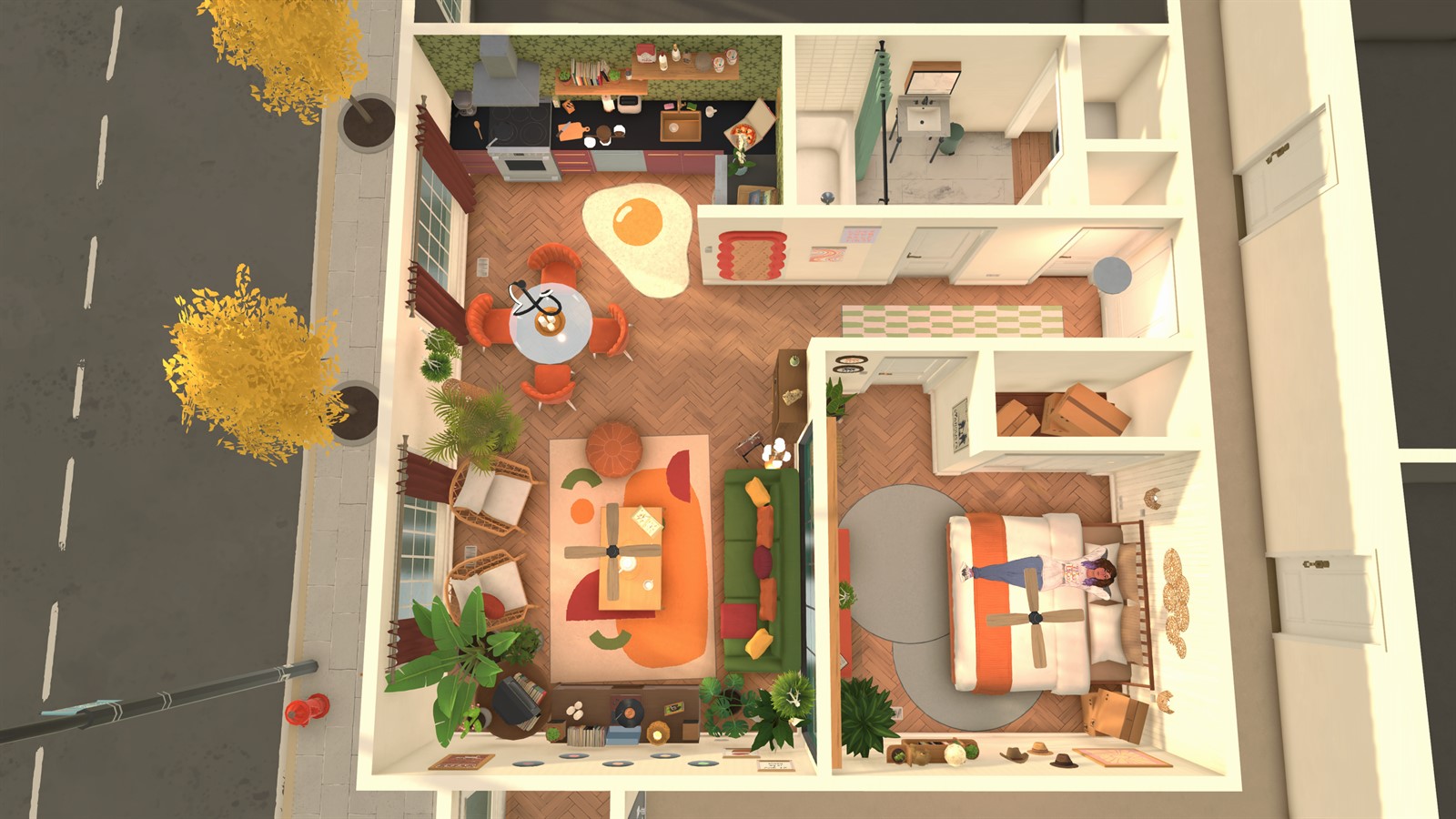
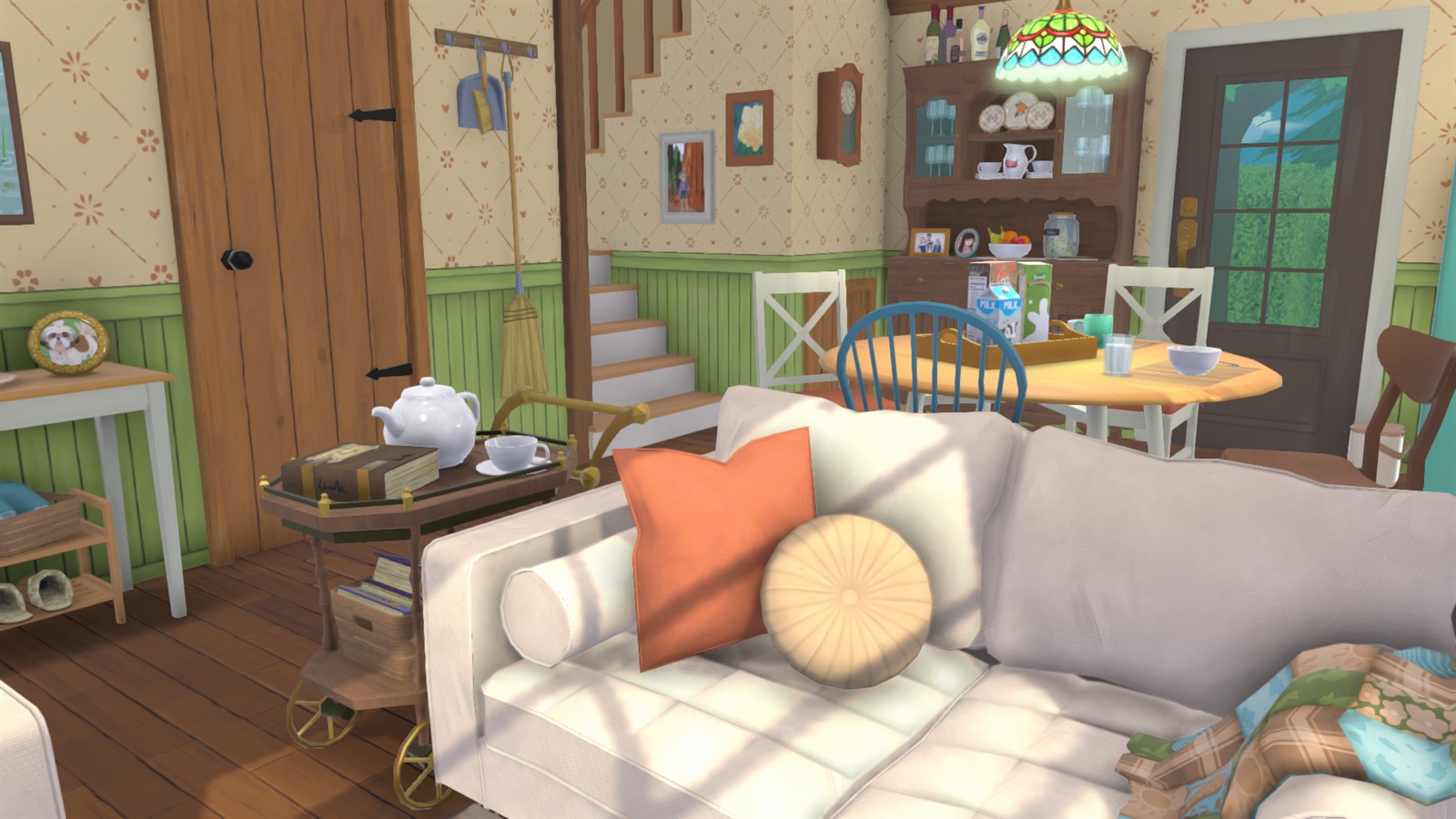
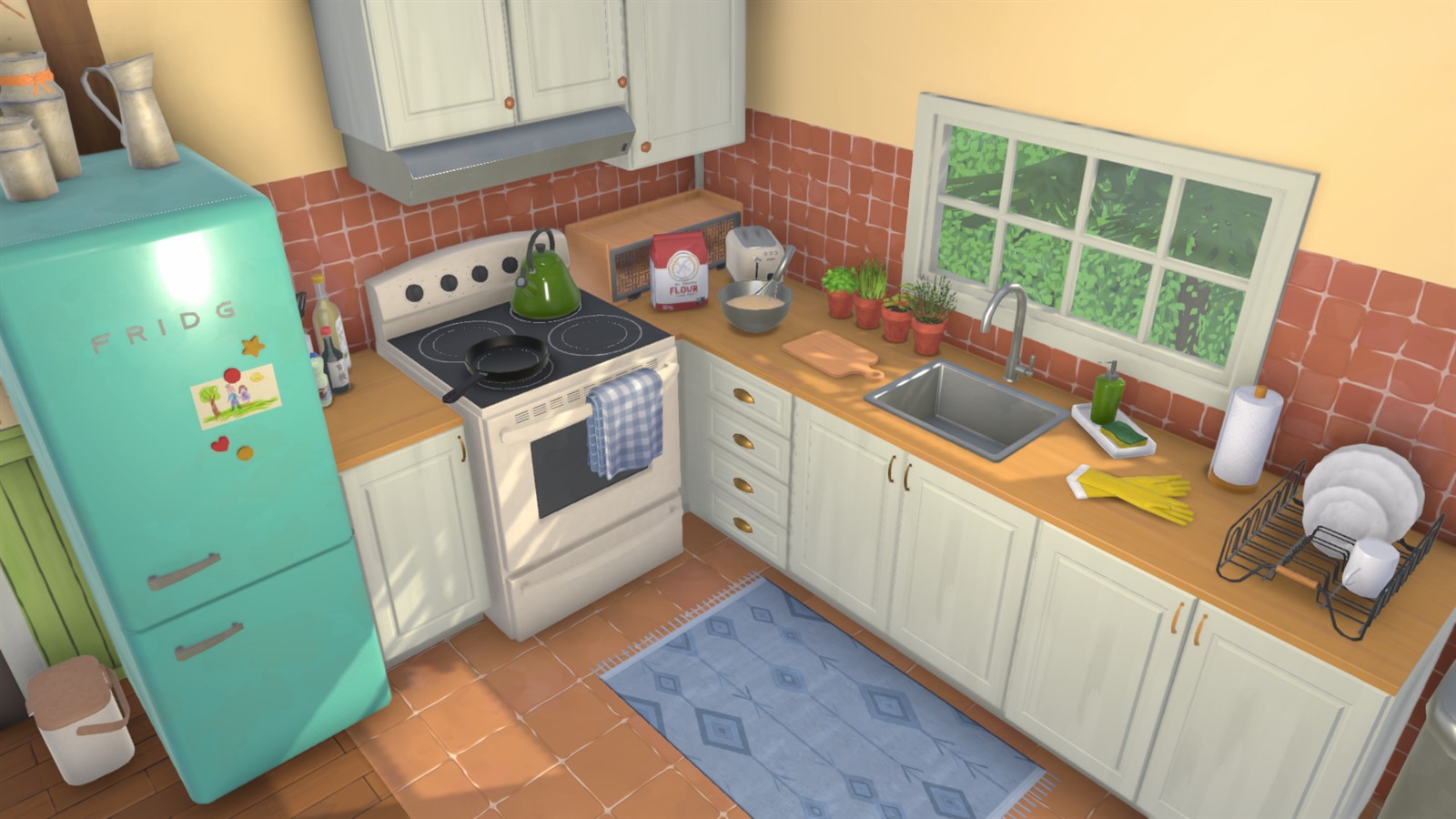
Test kitchen, bathroom and bedroom interactions
Essential rooms need more than visible objects: a Parafolk must be able to approach and use them. Run short Live Mode checks for food preparation, bathroom access and sleep. Group actions can reveal bottlenecks that a solo test misses, so repeat with the full household when practical.
Keep a budget and library checkpoint
Stop buying when all basic functions work and a reserve remains for repairs or schedule disruption. Save the lot to the in-game library before advanced resizing, stacking or a large extension. A checkpoint is more useful than a claimed universal starter budget that may not match your household or current build.
Facts were last checked on July 13, 2026. Official pages remain the final reference when Early Access changes.